
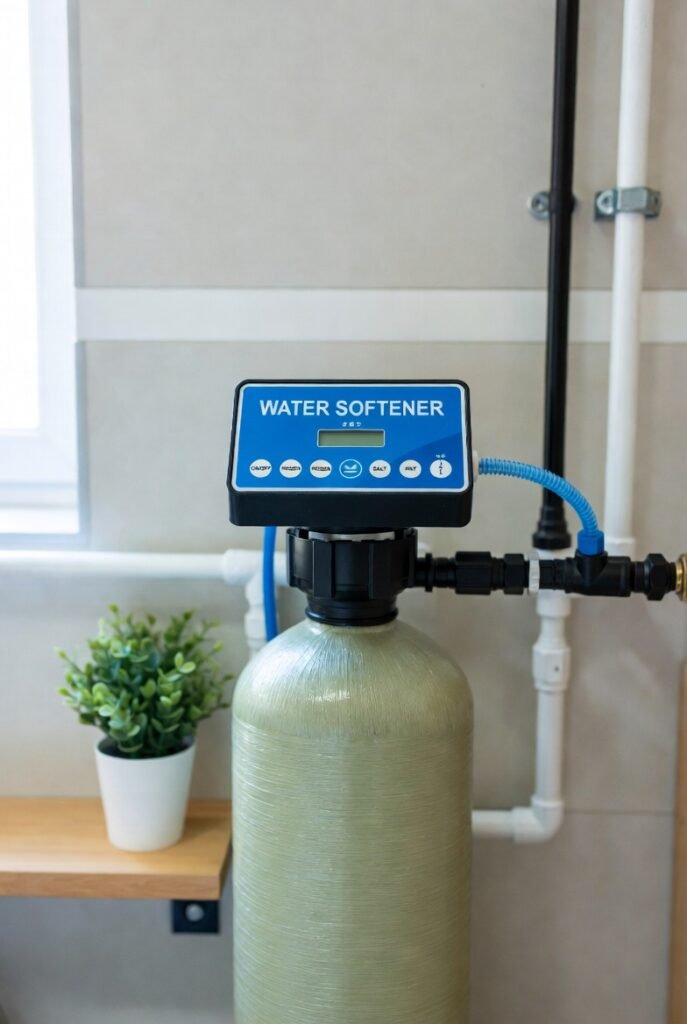
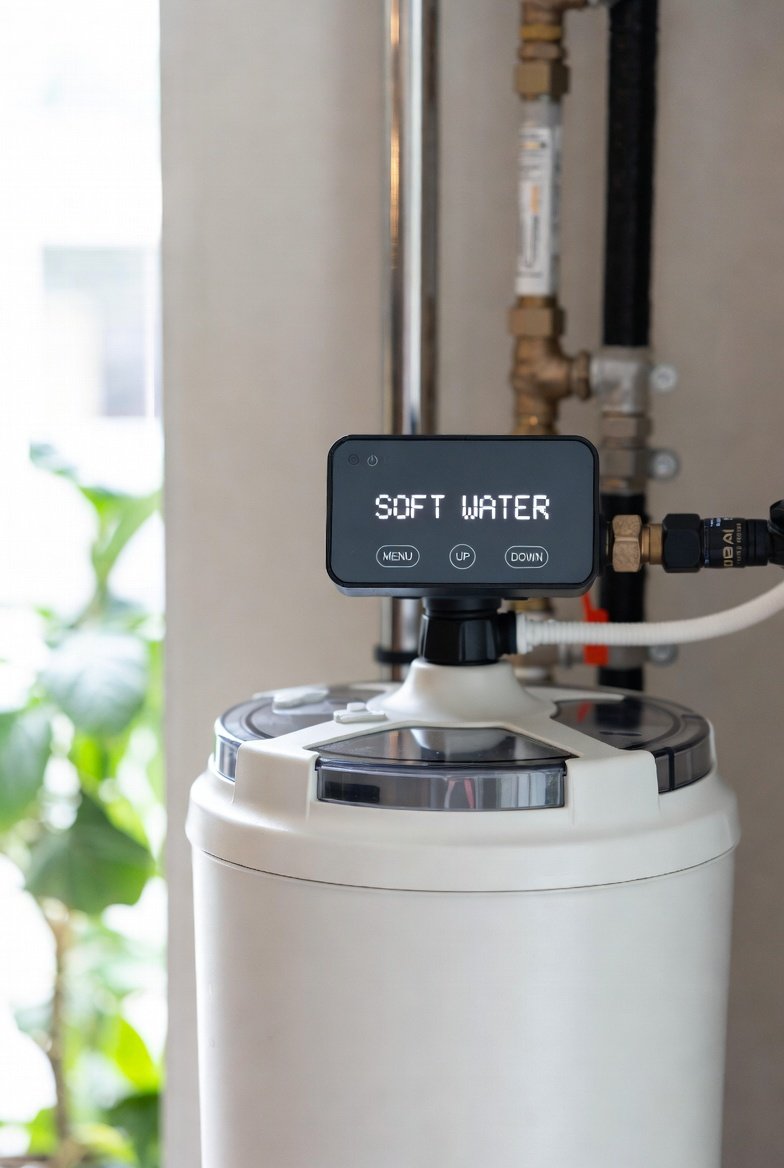
Water Softener Installation Cost: What It Really Costs (and Where Installs Go Wrong)
Most homeowners don’t think much about water softener installation cost — until a quote lands in front of them that feels… off.
One installer says $500.
Another says $1,300.
The system itself looked affordable — until installation nearly doubled the total.
That discomfort is justified.
Because installation is where most long-term water softener problems quietly begin.
Not because the systems are overly complex.
But because small installation decisions shape:
- system lifespan
- maintenance cost
- leak risk
- efficiency
- and even home resale confidence
for the next 10–15 years.
This guide exists to surface what usually stays hidden — so you don’t accidentally approve an install that becomes expensive later.
The Short Cost Reality (Before the Details)
For most homes, professional water softener installation falls into a surprisingly predictable range:
Installation Complexity | Typical Cost |
Straightforward install | $400 – $700 |
Moderate complexity | $700 – $1,000 |
High-complexity install | $1,000 – $1,500+ |
If your quote falls outside these numbers, one of two things is happening:
👉 Something real is complicating the job
or
👉 Something important is being skipped
Knowing which is the entire game.
The Installation Truth Most Buyers Learn Too Late
The cheapest installation is rarely the lowest-cost decision.
Why?
Because installation shortcuts don’t usually fail immediately.
They fail quietly — months later — as:
- slow leaks
- premature valve wear
- inefficient regeneration
- hidden water damage
- difficult servicing
Installation is not where you want surprises.
Think of it this way:
👉 You only pay for installation once — unless it’s done wrong.
What “Installation Cost” Actually Covers
Installation is not a single task.
It is a bundle of labor, judgment calls, and risk prevention.
A proper professional install typically includes:
- Cutting into the main water line
- Installing a bypass valve
- Connecting inlet and outlet plumbing
- Routing a regeneration drain line
- Providing electrical connection
- Pressure testing
- Leak inspection
- Programming the control valve
Anything missing lowers price — but raises future risk.
The 5 Variables That Actually Drive Installation Cost
Once you understand these, quotes stop feeling random.
1. Plumbing Access (The #1 Cost Driver)
The easiest installs all share one trait:
👉 Open, reachable plumbing.
Costs stay low when:
- The main water line is exposed
- There is room to work
- Pipe materials are modern (PEX, copper)
Costs rise fast when:
- Pipes are hidden behind walls
- Ceilings must be opened
- Space is cramped
- Old galvanized lines require adaptation
More fittings + more labor = higher cost.
Simple math.
2. Drain Line Requirements (The Most Common Oversight)
Salt-based softeners discharge wastewater during regeneration.
Low-cost installs usually have:
- a nearby floor drain
- utility sink
- standpipe
Costs climb when:
- a drain must be added
- routing distance is long
- code requires air gaps
- special fittings are needed
Why This Matters More Than People Think
Poor drain routing causes:
- backflow
- overflow
- hidden moisture damage
- failed inspections
Fixing drain mistakes later often costs 2–3× more than installing it correctly the first time.
This is one of the biggest risk-limit factors in the entire project.
3. Electrical Access (The Silent Cost Adder)
Most modern softeners require a nearby outlet.
Costs increase when:
- no outlet exists
- the unit sits in a crawl space
- garage power is unavailable
- extension solutions violate code
This often means hiring an electrician — something cheap quotes rarely mention upfront.
4. Installation Location (Risk vs Convenience)
Common low-risk locations:
- garage
- basement
- utility room
Higher-risk placements include:
- crawl spaces
- exterior walls in cold climates
- tight closets with poor drainage
Just because a softener can go somewhere does not mean it should.
Flood risk.
Freeze risk.
Service access.
These matter far more than convenience.
5. Removal of Old Equipment
If a previous system exists, removal may involve:
- disconnecting plumbing
- disposal
- reworking pipe geometry
Skipping proper removal can create:
- micro-leaks
- bypass failures
- pressure irregularities
Saving $150 today can create a $1,200 repair later.
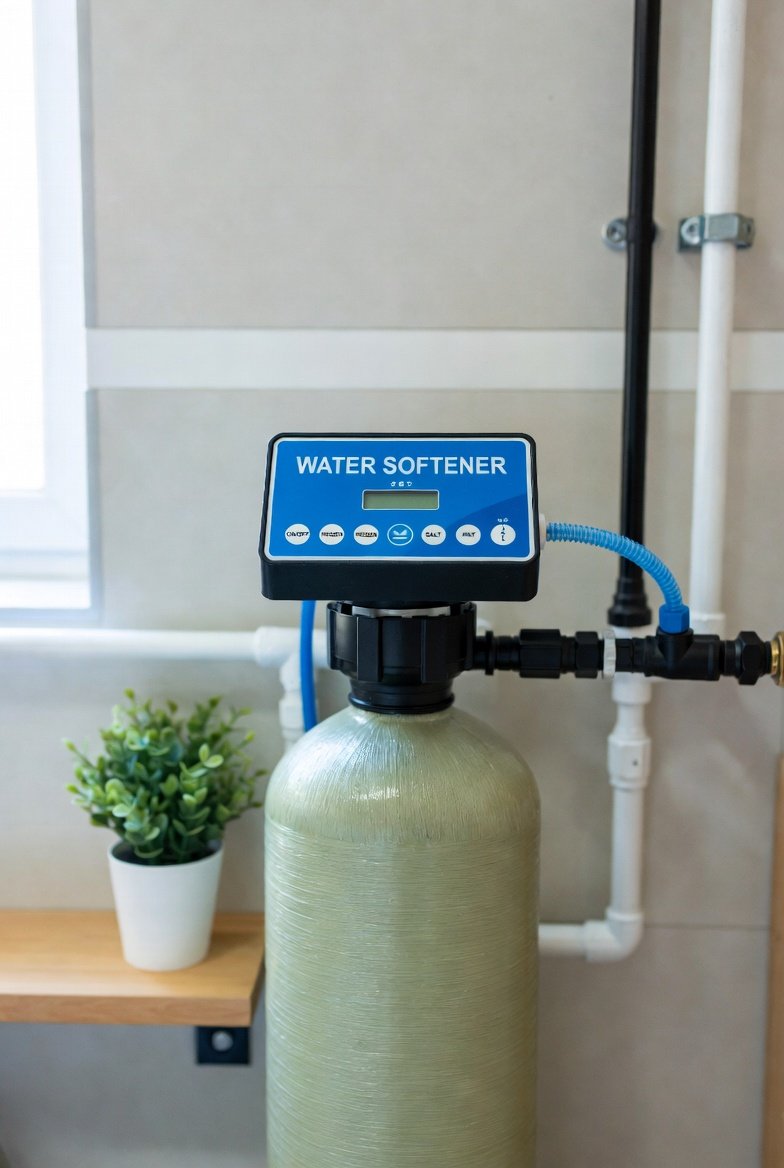
Typical Installation Cost — What’s Actually Normal
Scenario | Expected Cost |
Open plumbing + drain + outlet | $400 – $700 |
Minor plumbing challenges | $700 – $1,000 |
Drain creation / electrical / tight spaces | $1,000 – $1,500+ |
Very low quote?
👉 Something is excluded.
Very high quote?
👉 There should be a clear, specific reason.
Clarity is what matters — not the number alone.
DIY vs Professional Installation (Where Risk Expands Fast)
DIY installs look financially attractive.
But this is where probability matters.
What DIY Saves
- Labor cost
What DIY Risks
- incorrect bypass configuration
- improper drain slope
- slow leaks
- failed inspections
- voided warranties
- inefficient regeneration programming
Many professional service calls originate from installs that “worked fine”… until they didn’t.
For most homeowners, professional installation is less about convenience — and more about risk containment.
Installation Mistakes That Quietly Raise Lifetime Cost
These often take months to reveal themselves.
Incorrect Bypass Setup
- forces full hard water shutoff during service
- complicates maintenance
Poor Drain Routing
- causes backflow
- creates hidden moisture
Ignoring Water Pressure
- high pressure damages valves
- low pressure reduces effectiveness
Improper Programming
- excessive regeneration
- higher salt usage
- shorter resin life
Most of these cost far more to correct later.
Code, Permits, and Inspection Risk
Some municipalities require:
- air gaps
- specific pipe materials
- permits
- inspections
Skipping compliance lowers upfront cost — but increases:
- resale friction
- insurance complications
- inspection failures
A compliant install is almost always cheaper across the lifespan of the home.
Why Installation Quotes Aren’t Universal
Regional factors matter:
- labor rates
- building age
- climate
- plumbing standards
Comparing a Texas quote to a Northeast quote is rarely meaningful.
Comparing scope clarity always is.
When Installation Cost Includes More Than a Softener
Some installs bundle additional treatment:
- whole-house carbon filters
- sediment pre-filtration
- under-sink reverse osmosis
These raise cost — but can be logical when roles are clearly defined.
Bundling without explanation is where overpayment begins.
5 Questions That Instantly Expose Installation Risk
Ask these before approving any quote:
✔ Where does the drain discharge?
✔ Is electrical included?
✔ How is the bypass configured?
✔ Does this meet local code?
✔ What happens if a leak develops?
Clear answers signal professionalism.
Vague answers signal future problems.
How to Control Installation Cost Without Creating Risk
You reduce installation cost by reducing uncertainty — not by cutting corners.
Smart moves include:
- choosing an accessible install location
- confirming drain availability early
- verifying nearby electrical
- clarifying scope before work begins
Rushed installs almost always resurface as repairs.
The Calm Install Test (A Pro-Level Heuristic)
After installation, the system should feel uneventful.
No drips.
No odd cycling.
No confusion about bypasses.
Water treatment should disappear into the background of the home.
When it does — the install was done right.
Bottom Line
Water softener installation cost is not random.
It is driven by:
✔ plumbing access
✔ drain requirements
✔ electrical availability
✔ installation location
✔ code compliance
✔ installer competence
For most homes, $400 – $1,500 is a normal professional range.
Paying more makes sense when real constraints exist.
Paying less often means something critical is missing.
Installation is where water softeners succeed — or quietly fail.
Getting it right once is almost always cheaper than fixing it later.