
Reverse Osmosis System Cost: Real Prices, Key Drivers, and Ownership Reality
When people search for a reverse osmosis system cost, they usually want more than a price tag. They want to know whether the number they’re seeing is real, whether it applies to their home, and what the system will actually cost once installation and upkeep are factored in.
Most SERP pages either oversimplify pricing or blur together very different system types. That creates confusion—and leads to overspending. Reverse osmosis system pricing only makes sense when it’s tied to how the system is used, not just what it’s called.
This guide focuses on real-world cost expectations and the factors that move prices up or down in normal residential installs.
TL;DR — Realistic Cost Ranges
If you want the short answer first:
- Under-sink RO (most homes): low four figures or less, all-in
- Tankless RO: typically higher upfront, moderate ongoing costs
- Whole-house RO: several times higher than under-sink systems, with ongoing operating costs
For most households, under-sink reverse osmosis delivers the lowest lifetime cost because it treats only the water you actually drink and cook with.
Reverse Osmosis System Cost by System Type
The biggest pricing mistake is assuming all RO systems belong in the same cost bucket. They don’t.
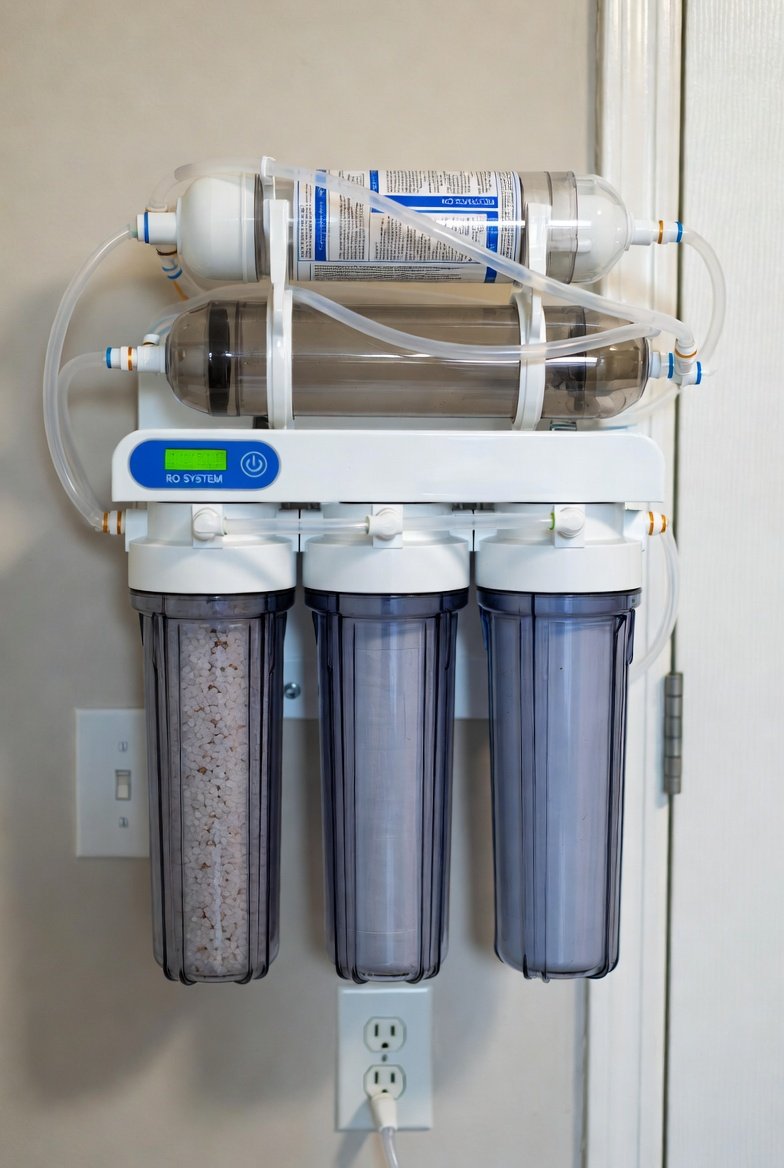
Under-Sink Reverse Osmosis Systems
Installed under a kitchen sink reverse osmosis systems and feeding a dedicated faucet.
Cost reality:
- Equipment pricing stays relatively controlled
- Installation is straightforward in most homes
- Maintenance costs are predictable
In residential installs, this category is where systems most often hit the best balance between cost and benefit.
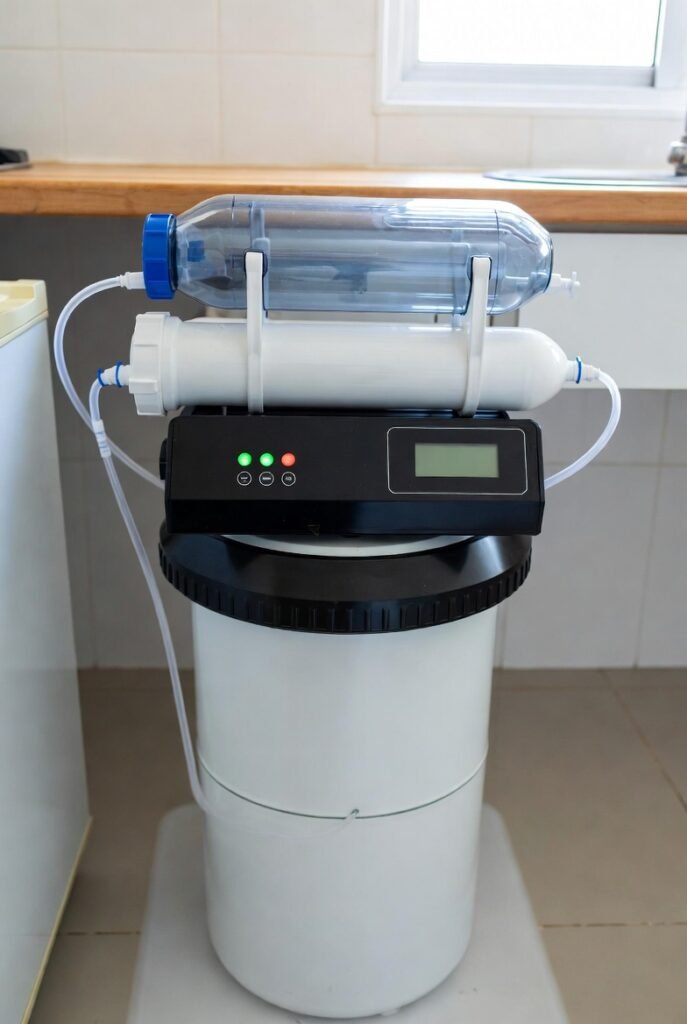
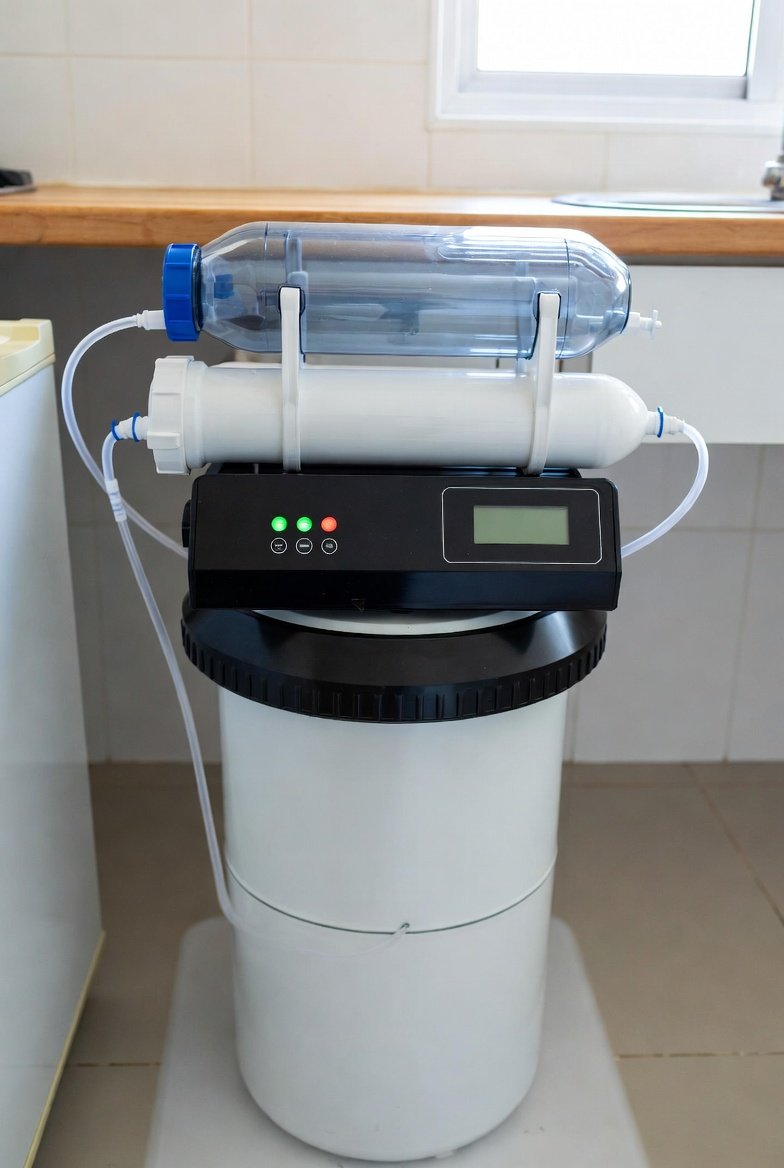
Tankless Reverse Osmosis Systems
Tankless reverse osmosis system
Removes the storage tank and purifies water on demand.
Cost reality:
- Higher upfront equipment cost
- Installation may require electrical access or pressure upgrades
- Maintenance can be more frequent
In homes with limited cabinet space, the added cost can be justified. In others, the price increase buys convenience—not better water.
Whole-House Reverse Osmosis Systems
Treats all incoming water.
Cost reality:
- High equipment and installation cost
- Drainage, pressure, and pretreatment often required
- Ongoing water and maintenance costs are higher
This is where homeowners overspend most often—usually without needing the system’s full capability.
Typical Cost Breakdown (What You’re Actually Paying For)
Most quotes combine several components, even if they aren’t clearly itemized.
Cost Component | What It Covers |
Equipment | RO unit, filters, tank or pump |
Installation | Plumbing labor, fittings, adjustments |
Modifications | Pressure boosts, drainage, electrical |
Maintenance | Filter and membrane replacement |
Water Use | Wastewater produced over time |
Online prices often show only the first line. Real-world costs include all five.
Installation Costs: The Biggest Variable
Installation pricing varies more than equipment pricing.
Factors that raise install cost:
- Tight cabinet layouts
- Older plumbing
- Low incoming water pressure
- Whole-house system placement
In residential installs, this is where systems most often fail—not because RO is unreliable, but because osmosis installation realities were ignored at the pricing stage.
Ongoing Ownership Costs (Often Underestimated)
Reverse osmosis systems require maintenance. Ignoring this skews cost expectations.
Filter and Membrane Replacement:
- Pre-filters are replaced more often
- RO membranes last longer but cost more
- Systems using standard, widely available filters are almost always cheaper to own long-term
- Proprietary cartridges increase lifetime cost without improving water quality
Water Waste:
- All RO systems generate wastewater
- Under-sink systems usually have minimal impact
- Whole-house systems can noticeably affect water usage over time
Cost vs Value: Where Spending Makes Sense
Paying more can be justified when:
- Incoming water pressure is consistently low
- Water quality demands higher membrane performance
- Space constraints limit system choice
Paying more rarely makes sense when:
- The system treats far more water than you use
- Features don’t solve a documented problem
- Maintenance costs are ignored
Overspending almost always traces back to choosing the wrong system category—not the wrong brand.
Why Online Prices Often Don’t Match Installer Quotes
Price gaps usually come from:
- Equipment-only pricing shown online
- Installation excluded or underestimated
- Maintenance not discussed
- Homes treated as identical
Once those factors are added back in, most quotes make sense.
How to Frame Your Cost Decision Correctly
Instead of asking, “How much does an RO system cost?” ask:
- Where will I actually use purified water?
- How much do I need per day?
- How much maintenance am I willing to manage?
Those answers narrow your system choice—and your cost—far more effectively than comparing price tags alone.
Final Cost Perspective
Reverse osmosis system cost isn’t defined by a single number. It’s shaped by system type, installation conditions, and long-term ownership realities.
- When the system matches your actual needs, costs stay controlled
- When it doesn’t, expenses climb quickly
For most homes, a properly sized under-sink reverse osmosis system delivers the strongest value with the least financial risk.
FAQ
Q1: What is the average cost of a reverse osmosis system?
A1: Most residential reverse osmosis systems fall within a broad range depending on type, installation complexity, and maintenance needs. Under-sink systems are typically the most cost-effective.
Q2: Why do RO system prices vary so much?
A2: Prices vary due to system type, installation conditions, water pressure, and long-term maintenance costs. Homes are rarely identical, so pricing reflects those differences.
Q3: Is whole-house reverse osmosis more expensive to maintain?
A3: Yes. Whole-house RO systems typically have higher maintenance and operating costs because they treat all incoming water and produce more wastewater.