
Reverse Osmosis Installation: What the Process Really Involves—and Where Risk Appears
Best Reverse osmosis systems rarely fail because of poor engineering.
They fail because of installation decisions made in the first hour.
Most homeowners assume that once the system is connected, the job is finished. In reality, installation is the moment where performance, longevity, and operating cost are quietly determined.
A rushed pressure check today becomes weak water flow months later.
A slightly misaligned drain becomes a taste complaint that no filter can fix.
An incorrect tank charge turns into years of “this system is too slow.”
By the time symptoms appear, the installer is long gone — and the system often takes the blame.
Reverse osmosis installation is not technically difficult.
It is precision-dependent.
Understanding where risk actually appears is what keeps a high-quality filtration system from becoming a high-maintenance problem.
Quick Reality Check — Installation Is the System’s Risk Window
Most long-term RO issues trace back to just a handful of early mistakes:
- Skipped pressure verification
- Improper drain configuration
- Incorrect tank pre-charge
- Kinked or stressed tubing
- Rushed flushing
- Pretreatment shortcuts
The system still “runs,” which makes the problem harder to detect — until performance slowly degrades.
Verify: If an RO system struggles within its first year, installation quality is often the hidden variable worth investigating before replacing components.
Why Installation Deserves Risk-Limit Thinking
Installation is less about difficulty and more about consequence.
Small setup errors compound over time because reverse osmosis cost under controlled pressure and flow conditions. When those conditions drift even slightly, the system compensates — usually by wearing components faster.
This is why experienced water professionals treat installation as a risk-management task rather than a checklist.
Done deliberately, RO becomes predictable.
Done casually, it becomes expensive.
The Reverse Osmosis Installation Process (High-Level Reality)
Residential installations typically follow five stages. None are complex individually — risk appears when shortcuts stack across all five.
1. Site Assessment — Where Good Installs Begin
Before a single connection is made, the installer should confirm:
- Cabinet clearance
- Filter accessibility
- Drain proximity
- Incoming water pressure
- Safe tubing paths
Skipping this step often forces awkward layouts that later produce stress leaks or maintenance headaches.
Installer perspective: Many preventable service calls originate from installations where filter replacement space was never considered.
2. Cold Water Supply Connection — Small Fitting, Big Consequences
This stage includes:
- Tying into the cold-water line
- Selecting the proper feed valve
- Aligning fittings correctly
- Pressure testing
Poor fittings rarely burst immediately.
They seep.
And slow leaks inside cabinetry can go unnoticed until damage is already done.
3. Drain Connection — The Most Underestimated Failure Point
The drain is not glamorous — but it is where many performance complaints begin.
Correct installation requires:
- Proper saddle alignment
- Air-gap positioning when required
- No backpressure
- Clear discharge flow
Drain mistakes are the leading cause of taste issues that homeowners mistakenly attribute to filters.
Water that cannot exit cleanly cannot be purified correctly.
4. Faucet Installation — Where Cosmetic Errors Hide Structural Stress
This step typically involves:
- Sink or countertop drilling
- Secure mounting
- Balanced tubing routing
When tubing is forced into tight bends beneath the sink, stress builds silently — often leading to micro-leaks months later.
Neat routing is not about aesthetics.
It is about mechanical longevity.
5. Startup and Flushing — The Step That Gets Rushed Most Often
Startup should includ
include:
- Multiple flush cycles
- Leak checks under operating pressure
- Tank pressure verification
- Flow confirmation
Skipping proper flushing allows carbon fines and manufacturing residues to enter the system — shortening membrane life from day one.
Under-Sink RO Installation — Forgiving, But Not Foolproof
Under-sink systems tolerate minor mistakes better than larger installations, which is why they succeed in many DIY scenarios.
What usually works well:
- Standard cabinet geometry
- Short tubing runs
- Accessible plumbing
Where installs fail most often:
- Misaligned drain saddles
- Kinked tubing
- Incorrect tank air pressure
- Partial flushing
Incorrect tank pressure alone accounts for a large share of “slow system” complaints.
The equipment isn’t broken.
The tank is mischarged.
Tankless RO Installation — Low Tolerance Territory
Tankless systems remove the storage tank but introduce tighter operating requirements.
They typically demand:
- Stable incoming pressure
- Reliable electrical access
- Precise drain routing
- Accurate flow restriction
Tankless units do not hide installation mistakes.
Performance issues appear quickly — which is why these systems are sometimes blamed for problems rooted in setup mismatch.
Professional observation: When installed under ideal pressure conditions, tankless systems are often extremely consistent. When they aren’t, problems surface fast.
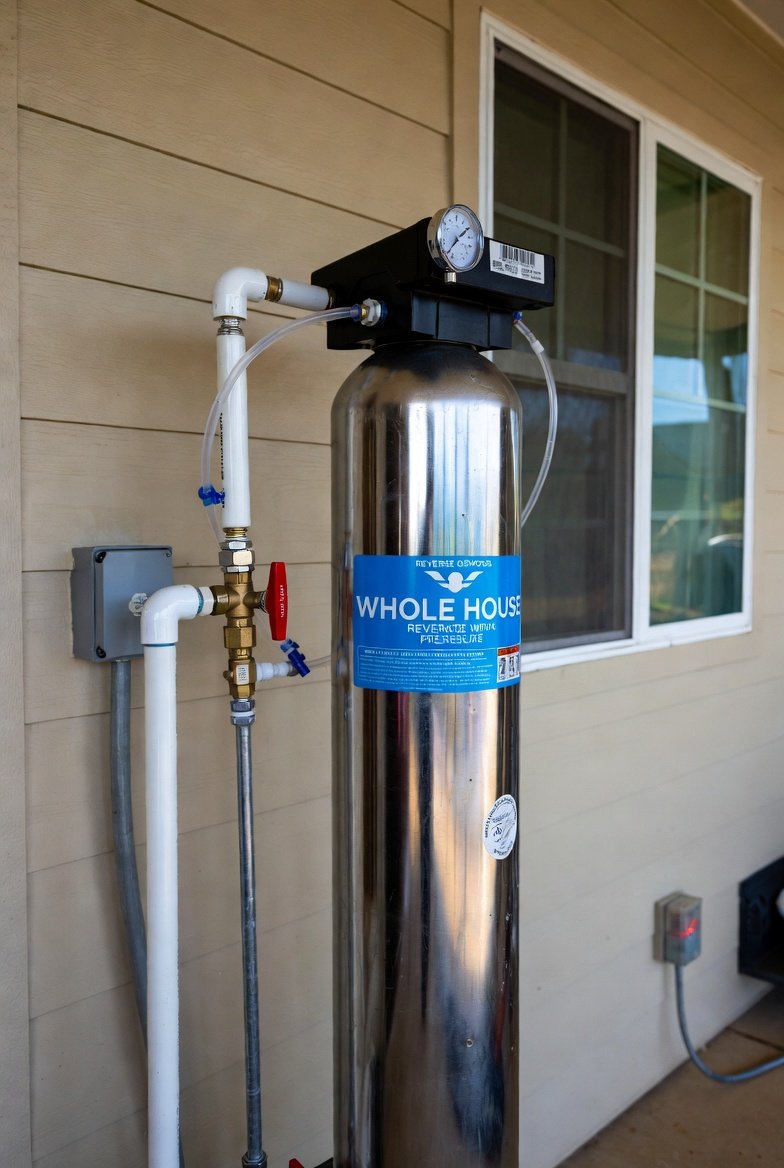
Whole-House RO Installation — Where Cost and Risk Spike
Whole-house RO system is not an appliance install.
It is closer to a small infrastructure project.
Typical requirements include:
- Sediment and carbon pretreatment
- Large-capacity membranes
- Storage tanks
- Re-pressurization pumps
- Engineered drainage
The most common failure point?
Undersized or skipped pretreatment.
This quietly destroys membranes and multiplies long-term operating cost.
If pretreatment is framed as optional, the installation is already compromised.
What Actually Drives Installation Cost
Installation pricing is rarely about brand.
It is about constraints.
Costs rise when:
- Cabinet modifications are required
- Drain routing is distant
- Pressure must be corrected
- Electrical work is needed
- Structural placement is complex
Two identical systems can produce dramatically different quotes based solely on layout.
Engineering time is what homeowners are often paying for.
DIY vs Professional Installation — A Risk Decision, Not a Pride Decision
This is not about capability.
It is about consequence.
DIY Often Makes Sense When:
- The system is under-sink
- Plumbing is modern
- Pressure is adequate
- You can monitor for slow leaks
Professional Installation Is Usually Worth It When:
- The system is tankless or whole-house
- Plumbing is older
- Pressure is marginal
- A leak would damage cabinetry or flooring
In many homes, professional installation costs less than repairing one hidden leak.
Hidden Installation Risks Most Guides Ignore
Some problems develop quietly:
- Drain backflow causing off-taste
- Micro-leaks visible only during pressure cycles
- Carbon fines from skipped flushing
- Mis-set tank pre-charge
- Incorrect membrane seating
These are rarely beginner mistakes.
They are rushed ones.
The Installation Damage Progression — The Point of No Return
Poor installations often follow a predictable path:
- Slightly slow output
- Pressure complaints
- Taste concerns
- Frequent filter changes
- Early membrane failure
- Rising maintenance costs
By stage four, correcting the root cause typically costs more than installing the system properly in the first place.
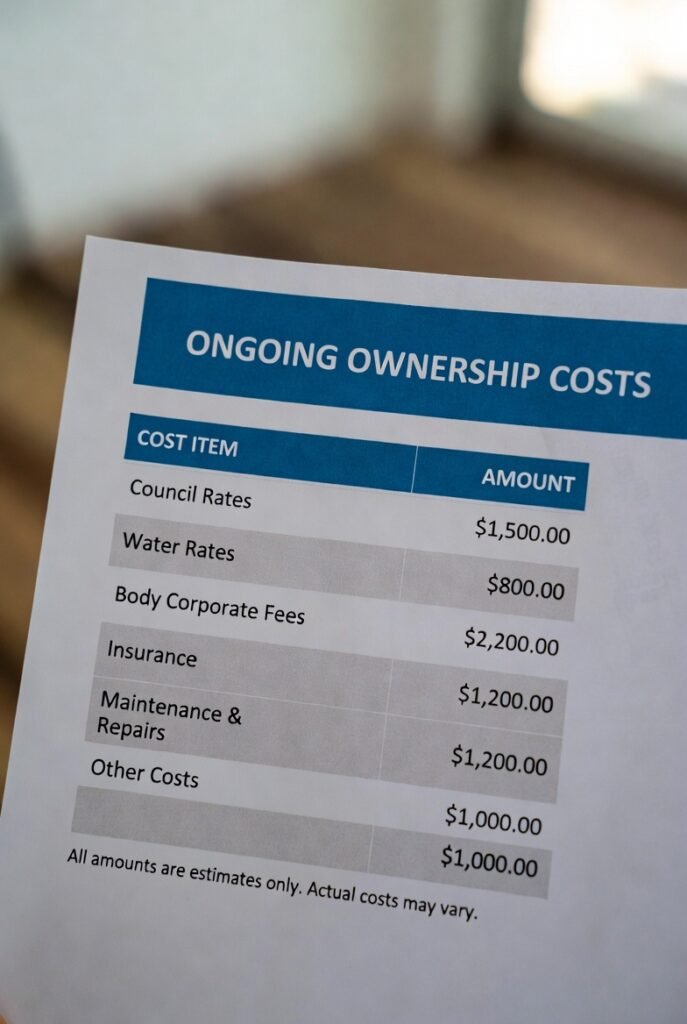
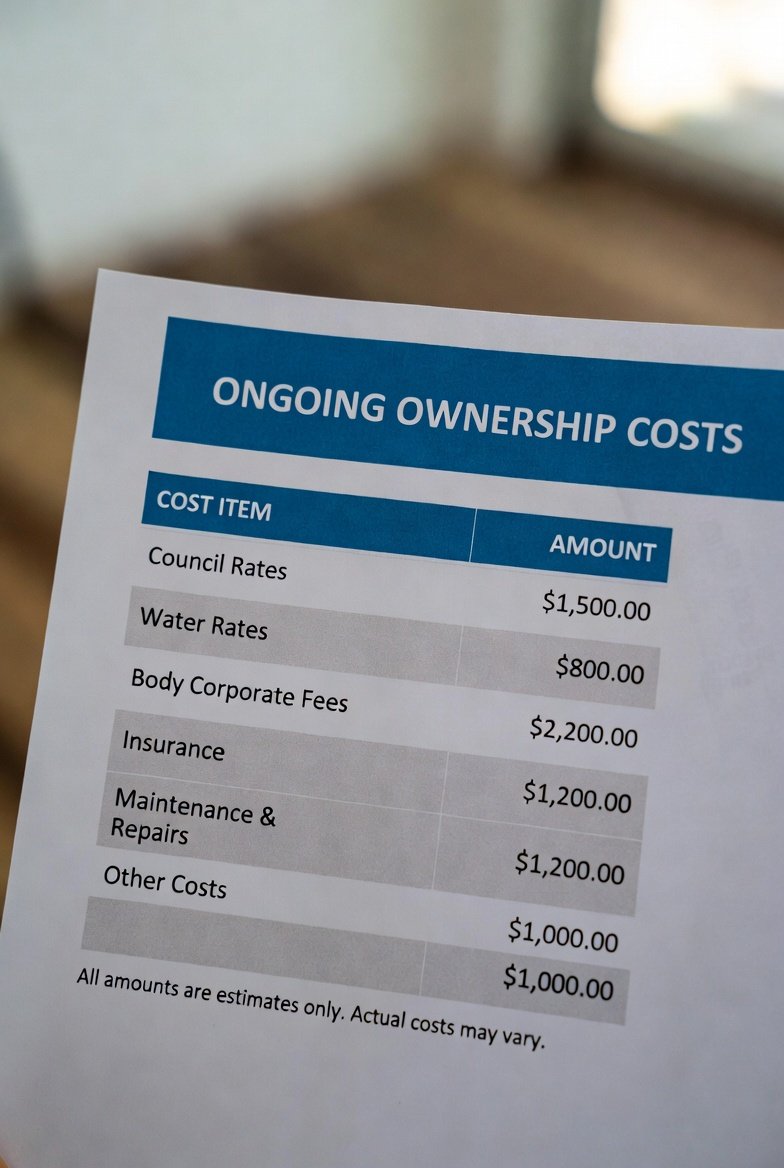
How Installation Quality Directly Affects Lifetime Cost
Careless installation increases ownership cost through:
- Shortened membrane life
- Higher filter frequency
- Increased wastewater
- Avoidable service visits
Even premium equipment performs poorly when installed without precision.
Installation is what protects your investment.
What Installation Cannot Fix
Even flawless installation cannot correct:
- Choosing the wrong system size
- Treating water that doesn’t require RO
- Ignoring pretreatment
- Expecting point-of-use systems to behave like whole-house filtration
Installation improves reliability.
It does not fix mismatch.
When to Pause the Installation Entirely
Stop and reassess if you see:
- Incoming pressure below manufacturer requirements
- Drain routing that creates backpressure
- Tubing forced into sharp bends
- Pretreatment minimized to cut time
These signals often predict expensive corrections later.
Installer Regret Pattern — What Professionals Quietly See
Ask experienced installers what homeowners say after problematic installs, and a common phrase surfaces:
“I wish someone had slowed this down.”
Speed is rarely the friend of precision systems.
Deliberate installs outperform fast ones almost every time.
Final Installation Perspective
Reverse osmosis installation is not hard — but it is exact.
Most system complaints trace back to decisions made during setup, not flaws in the equipment itself. When risk is understood and managed early, installation becomes predictable and ownership stays manageable.
It doesn’t need to be perfect.
It needs to be deliberate.